
"Stewards of the Earth: Upholding Communication Rights for Climate Justice"
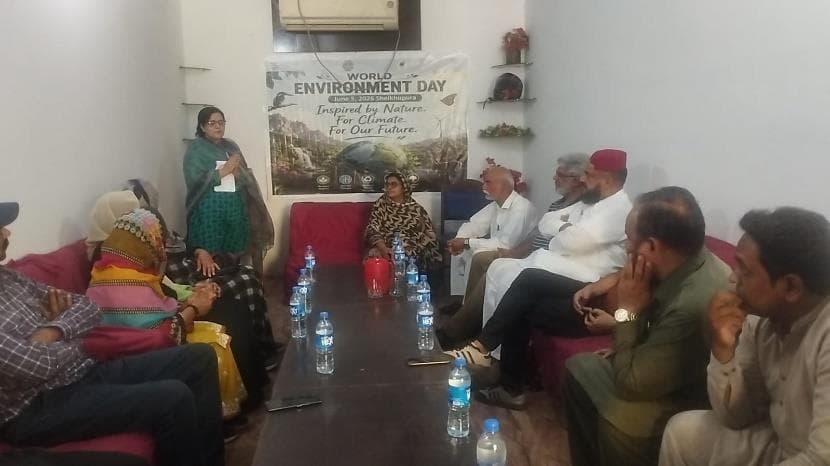
A community dialogue was organized under the project “Stewards of the Earth: Upholding Communication Rights for Climate Justice” to discuss environmental challenges, communication rights, and the role of citizens in environmental governance.
The session brought together community members, youth representatives, women leaders, civil society organizations, and environmental activists to share experiences, address community-level challenges, and propose practical, cooperative solutions for climate justice and environmental protection.
It aimed to strengthen public understanding of environmental rights and encourage active community participation in decision-making processes related to environmental governance.
Basic Information
13 June 2026
Danish Institute of College & Maternity Home
Ecumenical Commission for Human Development (ECHD)
Children Education Welfare Foundation (CEWF)
Al-Mustafa Welfare Society Sheikhupura
⚠️ Identified Environmental Issues
During the community dialogue, participants highlighted several critical environmental issues directly impacting their daily lives in the region:
1. Air Pollution
Increasing pollution levels caused by industrial emissions, vehicle exhausts, and open waste burning, leading to rising respiratory illnesses.
2. Water Pollution and Scarcity
Widespread contamination of water resources and lack of access to clean, safe drinking water due to deficient treatment infrastructure.
3. Poor Solid Waste Management
Improper disposal of domestic waste and heavy single-use plastic reliance. neighborhoods lack structured trash collection and recycling services.
4. Climate Change Impacts
Rising temperatures, intensive heatwaves, shifting rainfall cycles, and high vulnerability to natural disasters such as floods and droughts.
5. Loss of Green Spaces
Rapid urban expansion and localized deforestation reducing tree cover, which negatively impacts local biodiversity and air quality.
🎯 Project Objectives
- 1Raise widespread awareness about localized environmental protection and climate justice.
- 2Promote communication rights and citizen participation in environmental governance.
- 3Strengthen and support the proactive role of women and youth in taking climate action.
- 4Encourage collective responsibility for environmental stewardship.
👥 Key Community Concerns
▪ Communities often receive extremely limited information regarding environmental policies and risks.
▪ Citizens and local leaders are rarely consulted before environmental projects or urban decisions are finalized.
▪ Women, youth, and marginalized demographic brackets face systemic barriers in entering governance channels.
▪ Social fear of discrimination or simple lack of rights awareness prevents people from filing complaints.
▪ Weak functional coordination between communities and local municipal systems reduces initiative success.
Key Resource Persons & Participants
The dialogue was led by key administration figures, journalists, health practitioners, and civil society representatives:
| Name | Designation / Organization |
|---|---|
| Asad Rehman Aasi | District Coordinator / Youth & Labour Rights Defender |
| Imran Amin | Columnist |
| Zaheer Bhatti | DSV / Health Department |
| Muhammad Amir | AC / Health Department |
| Samra Arif | Programme Manager / Al Mustafa Welfare Society |
Summary of Activities
Major Outcomes
Increased Awareness: Heightened consciousness among local representatives regarding their environmental rights and climate justice.
Understanding Rights: Expanded knowledge on utilizing communications networks and public media for environmental advocacy.
Improved Collaboration: Structured a local link between civil society actors, health workers, and youth representatives.
What the Participants Shared
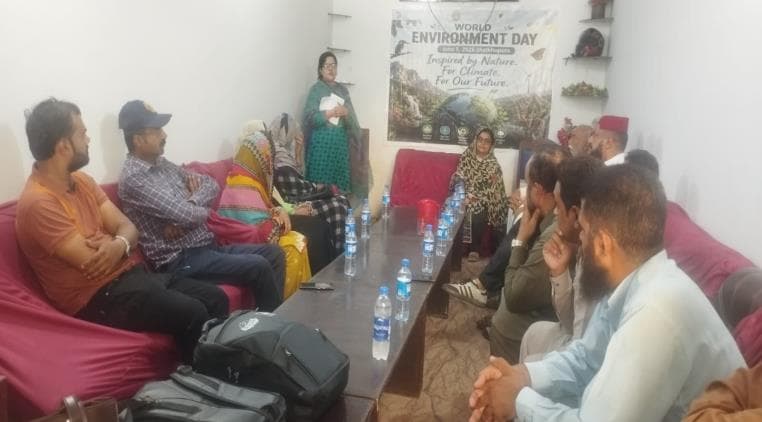
During the dialogue, attendees put forward testimonies representing localized problems and cooperative demands.
Community members appreciated the initiative as it provided an open platform to discuss environmental issues affecting their daily lives.
Participants expressed that such dialogues should be held regularly to ensure continuous awareness and engagement.
Many residents highlighted the urgent need for clean drinking water and requested immediate action from concerned authorities.
People strongly emphasized that air pollution is increasing and requested stricter control on vehicle emissions and industrial waste.
Participants showed concern over poor waste management and suggested proper garbage collection systems in all areas.
Youth participants encouraged more tree plantation drives and green space protection in urban areas.
Women participants stressed the importance of including women in environmental decision-making processes.
Community members suggested using social media and local networks for spreading awareness about environmental protection.
Overall, participants requested stronger coordination between government departments and local communities for effective solutions.
Strategic Recommendations
🏛 For Government & Relevant Authorities
1.Strengthen Regulations: Introduce and enforce stricter local codes on air emissions and vehicle exhausts.
2.Enhance Access: Publish local pollution metrics and audits periodically to inform citizens.
3.Inclusive Consultation: Formally structure civic consultation panels containing local women and youth leaders.
4.Infrastructure Investment: Coordinate municipal filtered water sites and routine household trash collections.
🌱 For Communities & Citizens
1.Community Campaigns: Structure neighborhood environmental committees to implement trash clean-ups.
2.Reduce Plastics: Ban single-use plastics from personal use and drive reusable alternatives locally.
3.Report Violations: Proactively alert environment protection bodies about open-air dump burning.
4.Independent Solutions: Leverage local community spaces (mosques, schools) to hold environmental talks.
Dialogue Photo Gallery
Visual records of the community dialogue and the World Environment Day 2026 activities.
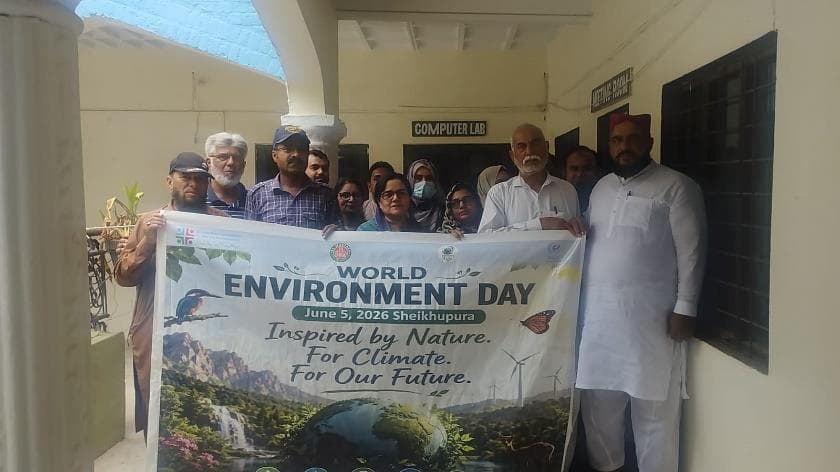
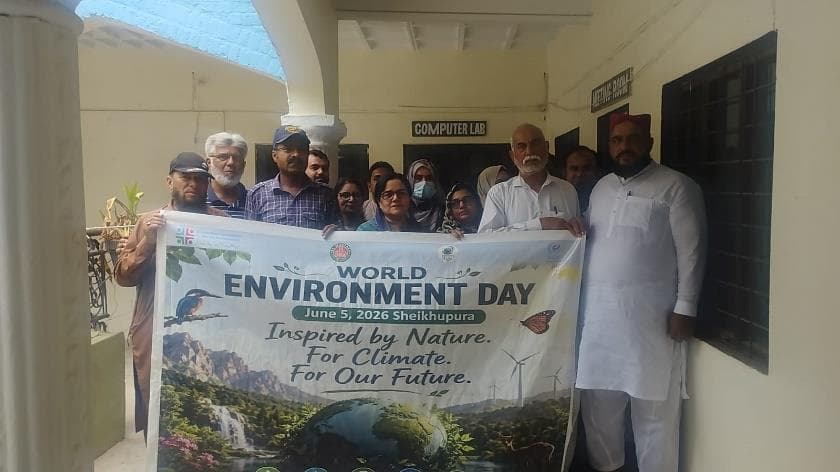
Group photograph with World Environment Day banner
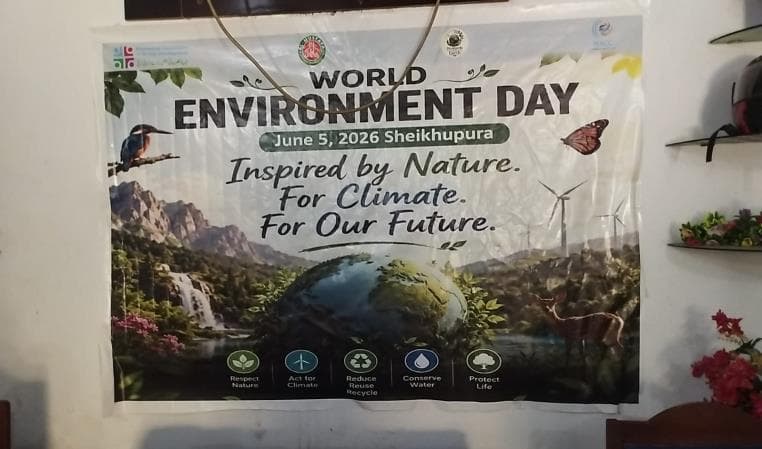
World Environment Day Theme Banner
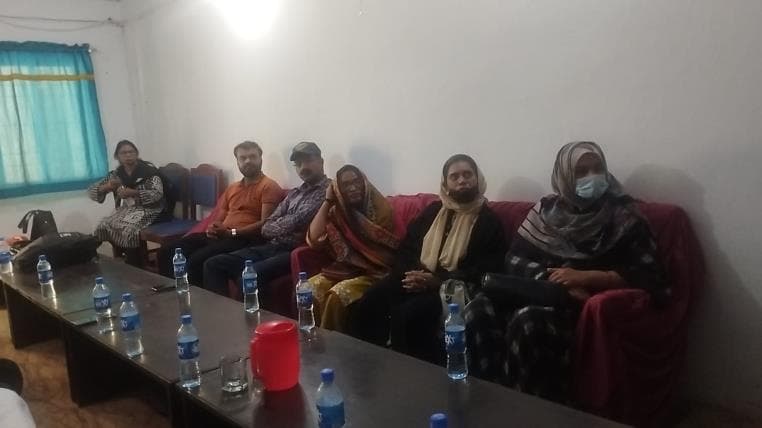
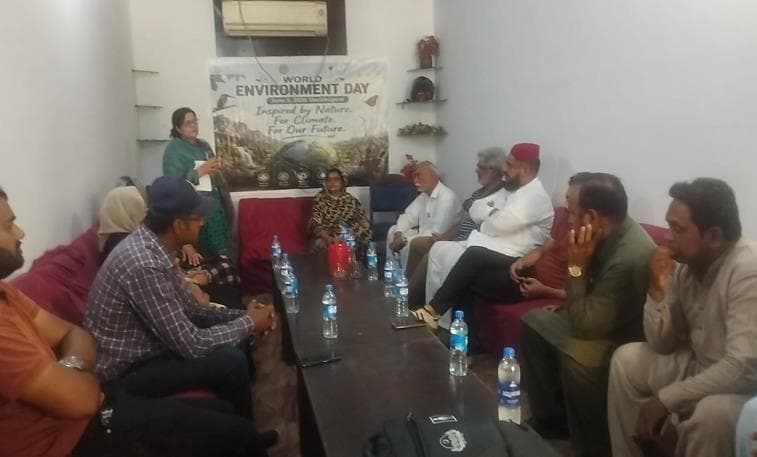
Discussion on environmental protection and climate justice
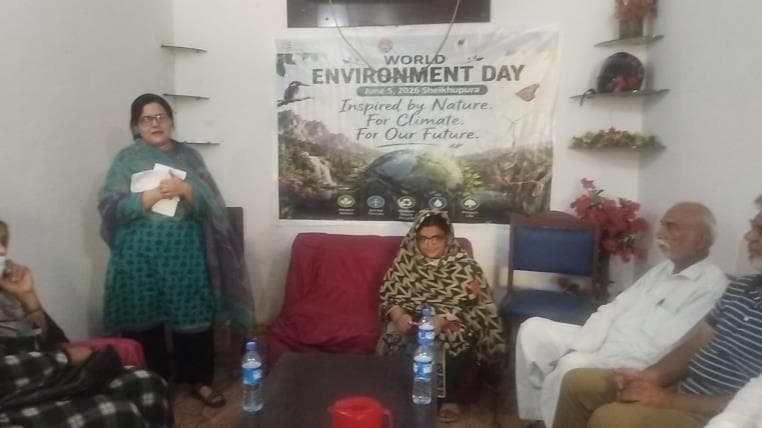
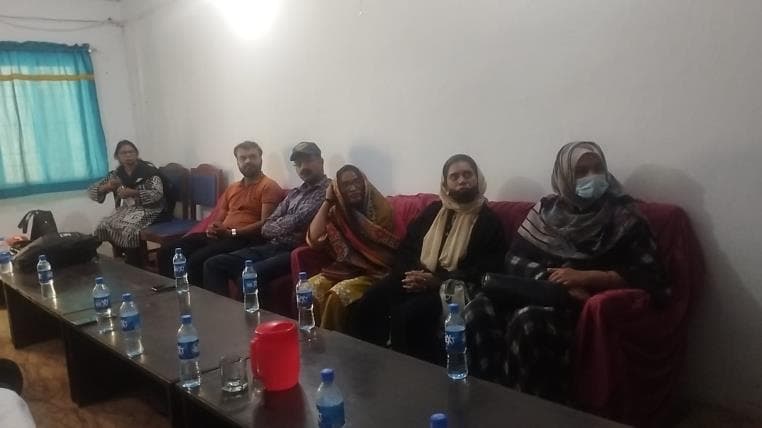
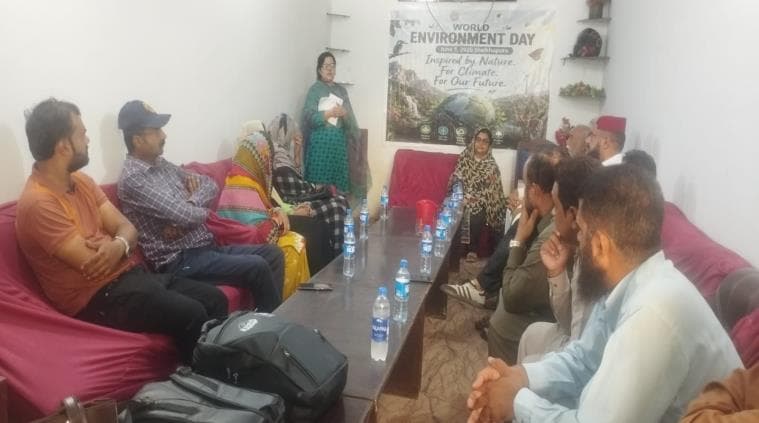
Community dialogue participants session
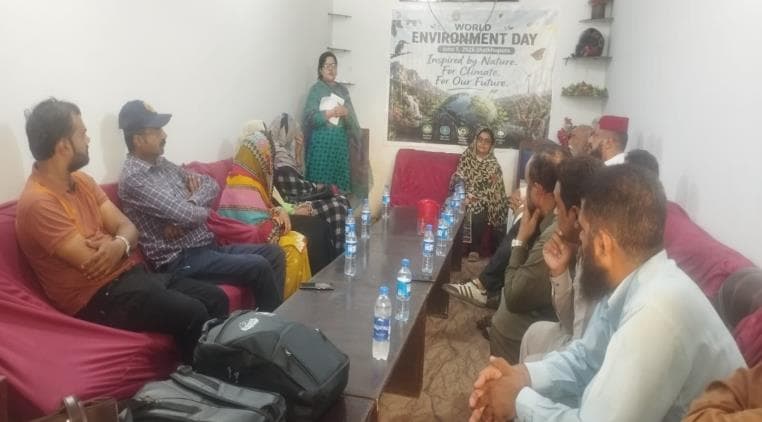
Interactive QA with stakeholders
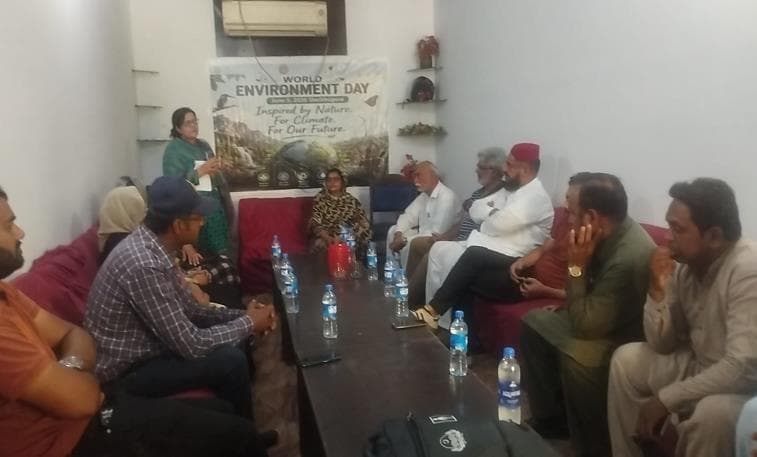
Speaker presenting on environmental harm and public participation
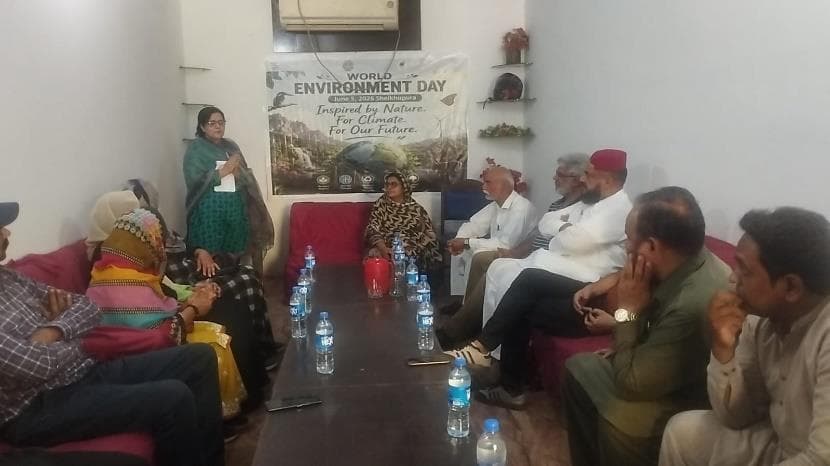
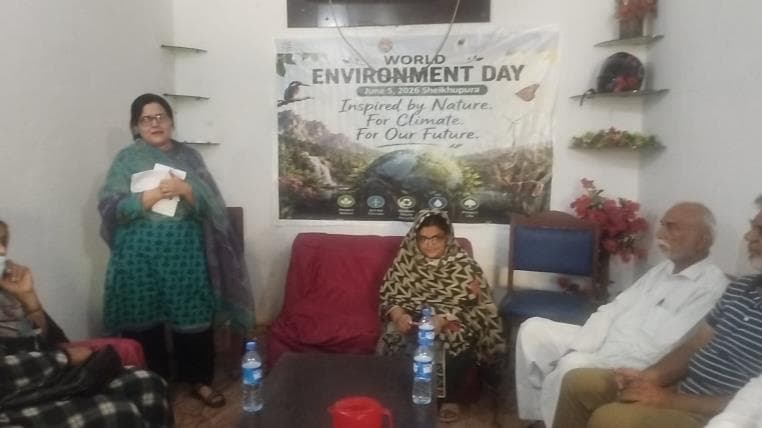
Programme Manager presenting to the participants
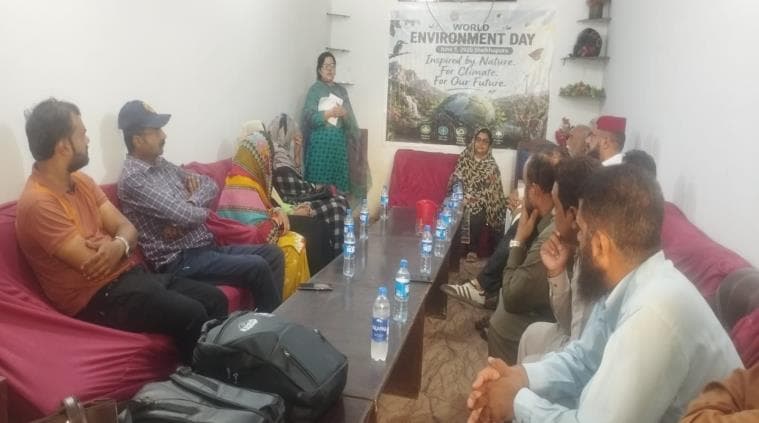
Closing ceremony and reflection session